What People Are Really Asking When They Search “Glass Shower Doors Near Me”

I’ve been installing custom glass shower doors for a little over ten years now, working as a licensed glazier and fabricator on everything from small bathroom upgrades to full-scale remodels. When someone searches glass shower doors near me, they’re usually not just looking for glass. In my experience, they’re looking for someone who understands how their bathroom actually works day to day, not just how it looks in photos.

Frameless Shower & Bath Enclosures | Karachi, PakistanEarly in my career, I installed a frameless door for a homeowner who insisted on a perfectly minimal look. The bathroom was beautiful, but the floor sloped just enough that water consistently escaped the enclosure. The glass was fine; the design wasn’t right for the space. We ended up reworking the door with a subtle panel adjustment and discreet sealing. That job taught me quickly that shower doors aren’t one-size-fits-all. Millimeters matter, especially when water is involved.

Local installation matters more than people realize. I’ve been called out to fix doors ordered online that didn’t account for uneven walls or out-of-plumb openings. One homeowner last spring had measured everything themselves and ordered a door that looked right on paper. Once it arrived, it simply couldn’t be installed safely without modification. Custom glass isn’t forgiving, and bathrooms are rarely square. That’s why having someone nearby who measures, fabricates, and installs with the space in mind makes a real difference.

A common mistake I see is prioritizing style over function. Frameless glass looks clean, but it’s not always the best choice for every bathroom. In smaller spaces or homes with heavy daily use, a semi-frameless option can perform better and require less maintenance. I’ve had clients initially resist that suggestion, only to appreciate it later when the door operates smoothly and stays dry around the edges.

Hardware choices are another area where experience shows. Hinges, handles, and seals get touched every single day. I’ve replaced plenty of cheap hardware that failed within a year, even though the glass itself was still perfect. I always tell clients that glass rarely breaks first—hardware does. Choosing quality components saves frustration down the road.

Maintenance expectations also come up often. Many people assume glass shower doors are high-maintenance. In reality, the right glass treatment and proper installation reduce spotting and buildup significantly. I remember a client who was worried they’d regret going with glass. Months later, they told me it was easier to keep clean than their old curtain ever was. That kind of feedback usually comes when the door was designed with real use in mind.

From my perspective, searching for glass shower doors near me is really about accountability. If something needs adjustment, if water behavior changes, or if a hinge needs tuning, having a local professional who understands the original install matters. Bathrooms shift over time, and good installers expect that.

After years in this trade, my view is simple. A good glass shower door shouldn’t draw attention to itself. It should open smoothly, keep water where it belongs, and quietly fit into daily routines. When that happens, people stop thinking about the door entirely—and that’s usually the best sign the job was done right.

Read More
What Working With a SEO Agency Really Looks Like After Ten Years in the Industry

I’ve spent more than ten years working in digital marketing, long enough to have seen businesses come to aseo agency  with hope, skepticism, and sometimes a little desperation. I didn’t start out on the agency side. I was on the receiving end first—trying to grow service-based websites, figuring out why traffic stalled, and learning the hard way which promises held up and which quietly fell apart six months later.

Top Six Reasons To Hire An SEO Agency For Your Business - Evolve Media

My first experience hiring an outside agency was for a local business that had hit a ceiling. The site looked fine, the service was solid, but growth had flattened. The agency’s sales call was confident, polished, and full of projections. What actually mattered came later, when the real work began and expectations met reality.

The difference between selling results and doing the work

In my experience, the biggest gap between good and bad agencies isn’t knowledge. It’s honesty about timelines and constraints. I’ve watched companies burn through several thousand dollars chasing quick movement, only to be left confused about what changed and why it mattered.

One early agency we worked with sent monthly reports that looked impressive but were disconnected from the business. When leads didn’t improve, explanations became vague. Contrast that with a later team that asked uncomfortable questions upfront—about margins, service areas, and how leads were handled once they came in. Progress felt slower at first, but it was grounded in how the business actually operated.

That contrast taught me to judge agencies less by how they talk and more by what they ask.

What experienced agencies tend to do differently

After working alongside and inside multiple teams, certain patterns stand out. Strong agencies spend time aligning with the business before touching anything technical. They want to understand how customers find you, what convinces them, and where things break down internally.

I remember a project where an agency paused work entirely after realizing the client’s intake process was broken. Leads were coming in, but responses were slow and inconsistent. Pushing harder without fixing that would’ve wasted everyone’s time. That pause felt frustrating in the moment, but it saved months of misdirected effort.

Less experienced teams often push forward regardless, because stopping doesn’t feel productive—even when it’s necessary.

Common mistakes I’ve seen clients make

One of the most frequent mistakes is hiring a SEO agency to solve problems that aren’t really about visibility. I’ve seen businesses blame lack of growth on exposure when the real issue was pricing confusion, unclear messaging, or poor follow-up.

Another mistake is chasing tactics instead of outcomes. Clients ask for specific actions they’ve heard about elsewhere without understanding whether those actions fit their situation. Agencies that simply agree to everything tend to create noise without traction.

I’ve also seen clients switch agencies too quickly. Some work takes time to compound. That doesn’t mean tolerating poor communication or vague explanations, but it does mean recognizing the difference between patience and blind faith.

What collaboration actually feels like

The best agency relationships I’ve been part of felt more like ongoing conversations than transactions. Feedback went both ways. When something wasn’t working, it was addressed directly instead of dressed up in excuses.

I once worked with an agency that pushed back on a content direction I was convinced about. We tested both approaches. Their recommendation performed better. That experience reinforced something I still believe: if an agency never disagrees with you, they’re probably not thinking deeply enough.

Good collaboration also includes restraint. Not every idea needs to be implemented. Not every metric needs to be chased. Experienced teams know how to narrow focus without making clients feel dismissed.

How my perspective has changed over time

After a decade in this space, I’m far less impressed by bold claims and far more attentive to process. I look for agencies that explain tradeoffs clearly, admit uncertainty when it exists, and connect their work back to real business outcomes rather than abstract wins.

I’m also more cautious about scale. Bigger isn’t always better. Some of the most effective work I’ve seen came from smaller teams who knew their clients deeply and weren’t stretched thin across dozens of accounts.

Working with a SEO agency can be valuable, but only when expectations are grounded and communication stays honest. The agencies that last aren’t the ones promising dramatic shifts overnight. They’re the ones willing to do steady, sometimes unglamorous work and explain why it matters.

After ten years, I’ve learned that progress usually looks quieter than people expect. When it’s real, it tends to show up gradually, embedded in how a business operates, not announced with fanfare. That’s the kind of agency work that holds up long after the initial excitement fades.

Read More

Understanding Charlotte SEO Through the Experience of a Ten-Year Industry Professional

After more than a decade working in SEO across different U.S. markets, Charlotte SEO became one of the places that reshaped how I think about digital strategy. The city grows fast, but its digital behavior is surprisingly grounded. Businesses here balance Southern familiarity with big-city competition, and that creates a unique environment where visibility depends as much on trust and clarity as it does on technical skill.

My first Charlotte client was a home renovation contractor based near Steele Creek. He came to me frustrated because a larger competitor kept outranking him despite offering similar services. When I reviewed his site, I noticed something familiar: the content was written as if his business served the entire country. Nothing reflected Charlotte’s neighborhoods, architectural styles, or the kinds of jobs he was actually doing. Once we rebuilt his service pages around the specific needs of Charlotte homeowners—humidity issues, crawlspaces, aging brickwork—his rankings shifted. That experience reminded me that Charlotte residents want to work with people who understand their homes, not just their keywords.

A very different project involved a financial advisor in Ballantyne. He had invested several thousand dollars into a slick website packed with broad financial terminology, but hardly any locals found him online. I spent a week reviewing his content and realized his mistake: he wrote like someone trying to impress a national audience. The moment we started addressing the genuine concerns Charlotte families had—retirement planning during relocation, property tax questions tied to Mecklenburg County, and managing finances in a fast-growing region—things changed. His visibility improved not because we added more content, but because we finally aligned his message with the people he wanted to serve. That case taught me how deeply local identity influences SEO here.

One of the more memorable experiences was with a boutique gym in South End. They had incredible branding and a loyal member base, but their SEO was scattered. Their blog targeted fitness buzzwords that weren’t even trending in North Carolina. The owner admitted she had been following advice from influencers in Los Angeles. When we examined search data from Charlotte, it became clear that locals were searching for simpler, more community-oriented terms—group classes, neighborhood workouts, beginner-friendly routines. We rewrote their content to reflect the city’s voice instead of the industry’s trends, and their organic traffic began to match their real-world popularity. That situation reminded me that Charlotte doesn’t respond well to pretension; it responds to clarity.

I’ve also run into challenges created by the city’s growth. A landscaping company I worked with struggled because dozens of new competitors were entering the market every year. Their instinct was to chase broad terms like “Charlotte landscaper,” but they were getting buried by bigger budgets. When I looked closely at their customer base, I found that most of their work came from just three suburban areas. We refocused their SEO on those communities, built content with specific references to issues like red clay soil and heavy summer storms, and suddenly they were competing again. That project reinforced something I’ve seen across Charlotte: specificity often beats scale.

Even service industries here behave differently. A client last spring—a small law firm—couldn’t understand why they were attracting the wrong kind of cases. Their site ranked, but for queries they didn’t even want. The problem wasn’t technical; it was strategic misalignment. Their copy generalized everything. After interviewing them about the cases they actually handled and the neighborhoods where most clients lived, we rebuilt their pages around those details. The difference was immediate. That experience taught me to ask better questions before touching a single line of code or content.

And then there’s the factor of trust. Charlotte residents tend to favor businesses that feel familiar. I’ve watched rankings improve simply because a company added staff bios with genuine stories or included references to their history in the city. One restaurant I worked with on the east side doubled its organic visibility after adding content about its role in the community and the ingredients it sourced locally. The SEO gains weren’t magic—they were the result of consistency and authenticity.

Over the years, Charlotte has taught me that SEO here isn’t about chasing traffic. It’s about aligning a business with the needs, voice, and concerns of the people who live here. Whether the client is a start-up, a contractor, a medical practice, or a restaurant, the strategies that succeed always come back to the same principle: show that you understand Charlotte, and Charlotte will respond.

Read More

Navigating the Aftermath: Why You Need a Specialized Truck Accident Lawyer

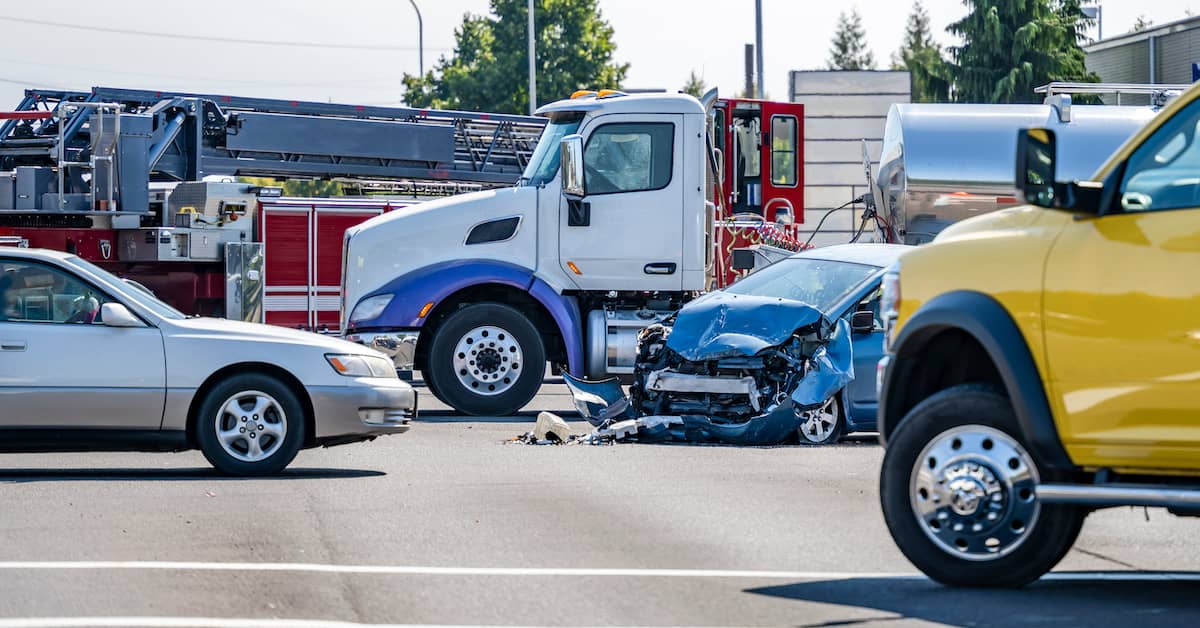
Being involved in a collision with a commercial truck—a semi-truck, 18-wheeler, or tractor-trailer—is a catastrophic event far more complex than a standard car accident. The legal, regulatory, and corporate forces at play are immense, making it critical to secure specialized representation. A highly skilled truck lawyers is your essential advocate in this complex legal landscape, ensuring your rights are protected and you pursue maximum compensation.

Top 10 Ways a Lawyer Can Help You After a Truck Accident | New Jersey


The Specialized Role of Truck Accident Lawyers: E-E-A-T Compliance in Practice

In the legal field, especially for high-stakes cases (Your Money or Your Life—YMYL), credibility is paramount. Our approach aligns strictly with Google’s E-E-A-T (Experience, Expertise, Authoritativeness, and Trustworthiness) guidelines by focusing on specialized knowledge and proven results.

E-E-A-T Pillar How a Truck Lawyer Demonstrates It
Experience Proven track record of handling commercial trucking cases (not just general personal injury). Knowing how to secure critical evidence like the truck’s “black box” (Electronic Logging Device – ELD) and logbooks.
Expertise In-depth knowledge of Federal Motor Carrier Safety Administration (FMCSA) regulations, state trucking laws, and the complex chain of liability (driver, trucking company, cargo loader, maintenance shop).
Authoritativeness Recognized standing in the legal community (e.g., board certifications, legal awards, favorable verdicts/settlements, and peer endorsements).
Trustworthiness Transparent fee structures (contingency basis), clear communication, and a commitment to acting solely in the client’s best interest, not the insurer’s.

Why General Practice is Not Enough

Trucking cases involve specialized evidence, like driver hours-of-service logs, maintenance records, and drug-testing reports, which must be secured immediately before they can be legally destroyed or “lost.” A dedicated truck accident lawyer knows precisely how to issue a Spoliation Letter (a legal demand to preserve evidence) within hours of a crash.


Essential Services: What We Investigate and Handle

Our comprehensive legal service covers every aspect of your claim, allowing you to focus completely on your recovery.

1. Immediate and Thorough Investigation

  • Evidence Preservation: Promptly sending spoliation letters to the trucking company.

  • Data Retrieval: Securing and analyzing the truck’s Black Box (ELD) data for speed, braking, and driving hours.

  • Accident Reconstruction: Working with certified accident reconstruction experts to scientifically determine the cause and fault.

  • Regulatory Violations: Scrutinizing driver logs, training records, maintenance history, and drug/alcohol test results for any FMCSA violations (e.g., fatigued driving, improper maintenance).

2. Determining Full Liability

Unlike car crashes, truck accidents often involve multiple liable parties. We investigate all entities that may be held financially accountable:

  • The Truck Driver: For negligence like speeding or distracted driving.

  • The Trucking Company: For negligent hiring, inadequate training, or pressuring drivers to violate HOS (Hours of Service) rules.

  • The Cargo Loader: For improper or unsecured loading.

  • The Maintenance Company: For faulty repairs or neglected vehicle upkeep.

  • The Truck/Parts Manufacturer: For defective equipment.

3. Maximizing Compensation (Damages)

We meticulously calculate the full extent of your economic and non-economic losses, often working with medical and economic experts.

  • Economic Damages (Calculable Losses):

    • Past & Future Medical Expenses: Hospital bills, rehabilitation, long-term care, adaptive equipment.

    • Lost Wages & Loss of Earning Capacity: Income lost now and in the future due to permanent injury.

    • Property Damage: Cost to repair or replace your vehicle.

  • Non-Economic Damages (Intangible Losses):

    • Pain and Suffering.

    • Emotional Distress.

    • Loss of Enjoyment of Life/Consortium.


The Trust Blueprint: Policies and Guarantees

Building trust requires absolute transparency, particularly regarding costs and commitment. We are committed to a client-first, no-automation approach.

Our Policy: Contingency Fee Basis

  • Guaranteed: No Fee Unless We Win. We operate on a contingency fee basis. This means we only get paid a percentage of the final settlement or verdict we secure for you.

  • Zero Upfront Costs: You pay $0 in legal fees or retainers to start your case.

  • Transparent Expense Agreement: All litigation costs (expert witnesses, court filing fees) are advanced by our firm and recouped from the final settlement. We will provide a detailed, copy-paste cost agreement outlining this.

Commitment to Compliance (No Spam/Automation)

  • Human-First Content: All client-facing documents, arguments, and communications are drafted by experienced attorneys—no automated legal advice or generic, AI-generated legal filings.

  • Ethical Practice: We adhere strictly to local bar association rules and legal ethics, ensuring every action is strategic, justified, and compliant. This includes avoiding any deceptive or low-value content practices associated with spam.


✅ Actionable Checklist for Hiring Your Truck Lawyer

Use this checklist during your initial, free consultation to vet the firm and demonstrate your due diligence:

Question to Ask Why It Matters
Do you specialize in truck accidents or are you a general personal injury firm? Specialized experience is crucial for FMCSA and black box rules.
How many truck accident cases have you taken to a jury verdict? Experience in trial is necessary to pressure insurance companies to offer fair settlements.
What is your contingency fee percentage, and what expenses will I be responsible for? Ensures complete financial transparency.
Will you personally handle my case, or will it be passed to a junior associate? Clarifies who you will be communicating with and who is doing the heavy lifting.
Can you immediately serve a Spoliation Letter to the trucking company? Tests their operational speed and understanding of evidence preservation.
What is your typical communication schedule? Guarantees you are kept informed throughout the multi-stage legal process.

Template: Immediate Evidence Preservation (Spoliation) Request

You can use this template to understand the immediate legal action an attorney takes. A qualified firm should be able to send a detailed, formal letter like this within hours of being retained.

“DEMAND FOR PRESERVATION OF EVIDENCE

To: [Trucking Company Name], and any related entities.

Date: [Current Date]

Re: Truck Accident Involving [Client’s Name] and Your Vehicle [Truck Plate/Unit #] on [Date of Accident] at [Location].

DEMAND: You are hereby formally notified and legally required to preserve all evidence related to the above-referenced accident, including but not limited to the Electronic Logging Device (ELD/Black Box) data, driver qualification files, driver logbooks, maintenance records, pre/post-trip inspection reports, cargo manifests, and all communications regarding the incident. Failure to preserve this evidence will be grounds for a spoliation of evidence claim.”

You can learn more about how we apply our full legal resources to protect victims of commercial vehicle negligence by visiting us here: [THE ANCHOR TEXT/KEYWORD HERE] [THE URL HERE].


❓ FAQ: Truck Accident Claims

Q: How are truck accident claims different from car accident claims?

A: The differences are profound. Truck accident claims involve: Federal Law (FMCSA regulations), Higher Damages (due to greater injury severity), Multiple Defendants (driver, company, etc.), and Specialized Evidence (ELD data, maintenance logs). Car accidents are typically governed by state negligence laws and insurance policy limits.

Q: How long does a truck accident case take?

A: The timeline is highly variable. An average settlement can take 9 to 18 months, while a case that goes to trial can take 18 to 36 months or longer. The complexity (number of defendants, severity of injuries) is the main factor.

Q: Should I speak to the trucking company’s insurance adjuster?

A: NO. You should politely decline to give any statements and immediately direct all communication to your truck accident lawyer. Insurance adjusters are trained to secure statements that can be used later to minimize or deny your claim.

Read More